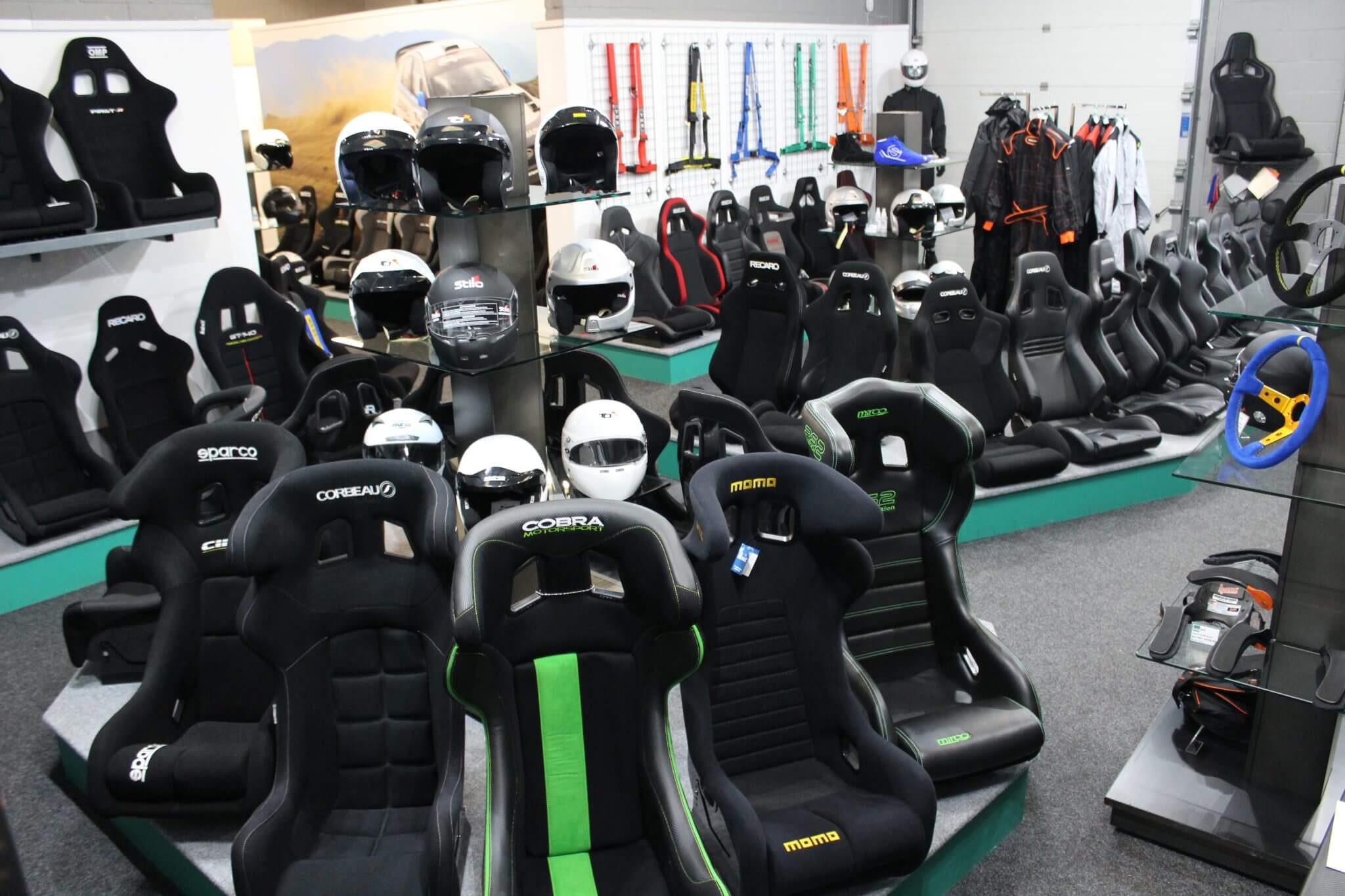
Can a bucket seat be comfortable?
Yes, but not every seat and not for every journey. We check where the shell touches you, then look at how the seat will sit in the car. A price, approval badge or waist-size range cannot do that job.
A tight competition seat can feel firm. It should not create pins and needles, numbness or a sharp pressure point. Do not buy one expecting the shell to spread with use.
What comfort depends on
The shell is only the start.
01Your shape
Hip bones, thighs, torso and shoulders decide where the shell carries your weight. Trouser size misses most of that.
02The seat angle
Side mounts and the baseframe set rake and height. A small change at the front holes can move pressure from the thighs into the lower back.
03Time in the car
A hill-climb run, a track session and a motorway journey ask different things from the cushion and side support.
04Controls and belts
Reaching for the wheel or pedals pulls you out of the backrest. The belt or harness also has to sit correctly once the seat is mounted.
Garreth and Cameron do not start by asking which seat looks best. We ask what hurts in the current one and how the car is used. That usually removes half the display before anyone worries about trim colour.
Four body checks we make
Sit naturally. Do not brace yourself to fit the seat.
Pelvis and hips
Sit all the way into the backrest. The side support should contact the soft area around the hips, not load one hip bone.
Thigh support
Check both the width and the front cushion height. A high edge under the thigh can become uncomfortable once the pedals are in use.
Back and shoulders
Let the shoulders relax. The shell should not round them forward or leave the upper back floating away from the cushion.
Head and openings
Check headrest position and, where a harness is planned, the shoulder-slot height. Comfort cannot override correct belt routing.
Sit in the first choice, move to two different shapes, then return to it. The pressure point you missed in the first minute is often obvious on the second sit.
The car changes a good showroom fit
The mounting stack can improve or spoil the result.
| Part | What it changes | Common mistake |
|---|---|---|
| Side mounts | Rake and shell height | Choosing holes for appearance rather than pedal and thigh position |
| Baseframe | Position over the floor and steering wheel | Assuming every vehicle-specific frame sits low |
| Runners | Fore-and-aft adjustment and added height | Adding runners after measuring helmet clearance |
| Steering wheel | Shoulder and elbow position | Moving the seat back to solve reach, then stretching for the pedals |
| Belt or harness | How the body is held in the shell | Buying the seat without planning strap routing and anchor points |
Take photos under the current seat before you order. We need to see the floor shape, factory buckle and any wiring. A shell can fit the driver and still be the wrong choice for the car because it finishes against the door card or too high under the roof.
Road comfort and race support are different jobs
Decide which compromise you can live with.
A road-biased seat may need
- Lower side bolsters for getting in
- Space for the factory three-point belt
- More cushion under the thighs
- A trim that tolerates daily wear
- A reclining back where rear access matters
A competition seat may need
- The approval required by the event
- Correct harness openings and routing
- Close lateral support under load
- Helmet and rollover clearance
- Mounts permitted by the seat homologation
Neither list makes one seat better. It explains why Garreth might steer a daily driver away from the narrow FIA shell they asked for, while Cameron may reject the softer road seat for a car entering regulated competition.
Common questions
Are fixed-back bucket seats comfortable?▾
Some are, for the right driver and use. Shell shape, cushion pressure and the installed angle matter more than the word bucket. A seat that works for a twenty-minute sprint may still be tiring on a three-hour road journey.
Can I choose a seat from my waist size?▾
Use waist size to make a shortlist, not a final choice. Hip shape, thigh width, torso length and shoulder position can make two people in the same trouser size fit differently.
Should a bucket seat feel tight?▾
It should hold you without pressing on a hip bone, squeezing the thighs or forcing the shoulders forward. Firm contact is normal. Pins and needles, numbness or a hard pressure point mean the fit is wrong.
Why does a comfortable display seat hurt in my car?▾
The installation changes the angle. A flat or steep baseframe, side-mount hole choice, runner height and steering-wheel reach can all move pressure into the lower back or thighs.
Can extra cushions fix a seat that is too large?▾
Small manufacturer pads can fine-tune lumbar or side support. Thick loose cushions change the belt and harness relationship and are not a proper fix for the wrong shell.
Does FIA approval make a seat comfortable?▾
No. FIA approval covers the competition standard, not your body shape. Check the seat label for the event and sit in the shell for fit. Those are separate checks.
What should I bring to a showroom fitting?▾
Wear the clothes or racewear you drive in. Bring your helmet if roof clearance is tight, plus the car details and photographs of the current seat position.
Can GSM guarantee comfort?▾
No retailer can promise comfort from a chart. We can compare the pressure points and driving position with you, explain what we see and narrow the choice before you spend money.
Come and sit in them
Bring the car details and tell us where your current seat hurts. We will compare the shortlist and talk through the mounting height before you buy.
Book a fittingCall 0115 9893488Browse seats