

 Is it time to replace your race suit? Let’s get you track-ready.
 Where To Service Your Motorsport Fire Extinguisher And Do You Need It Registered?
When you’re gearing up for the race season, it’s easy to overlook the fire extinguisher system in your car. A customer recently asked us: “Where can fire extinguishers be serviced? Do they need to be registered, or can any refill company do it?” These are great questions; after all, you want to stay safe and legal on track. In this blog, we’ll break down everything you need to know about servicing motorsport fire extinguishers. We’ll cover the types of systems (hand-held, electrical, and mechanical), Motorsport UK regulations, where to get service done, and whether you need an authorised agent or just any old fire extinguisher shop. Let’s dive in.
In motorsport, there are a few kinds of fire extinguishers you might have on board, and it’s important to know what you’ve got before seeking service:
- Plumbed-In Systems: These are permanently installed in the vehicle with tubing and nozzles directed at the engine bay and cockpit. They come in two activation styles:
- Mechanical systems, triggered by a pull cable and often identified by a T-handle or red pull knob. You yank the cable to discharge the extinguisher.
- Electrical systems, triggered by an electric push button or switch. These have an electronic control unit and wiring to activate the bottle with the push of a button, making for a neat installation.
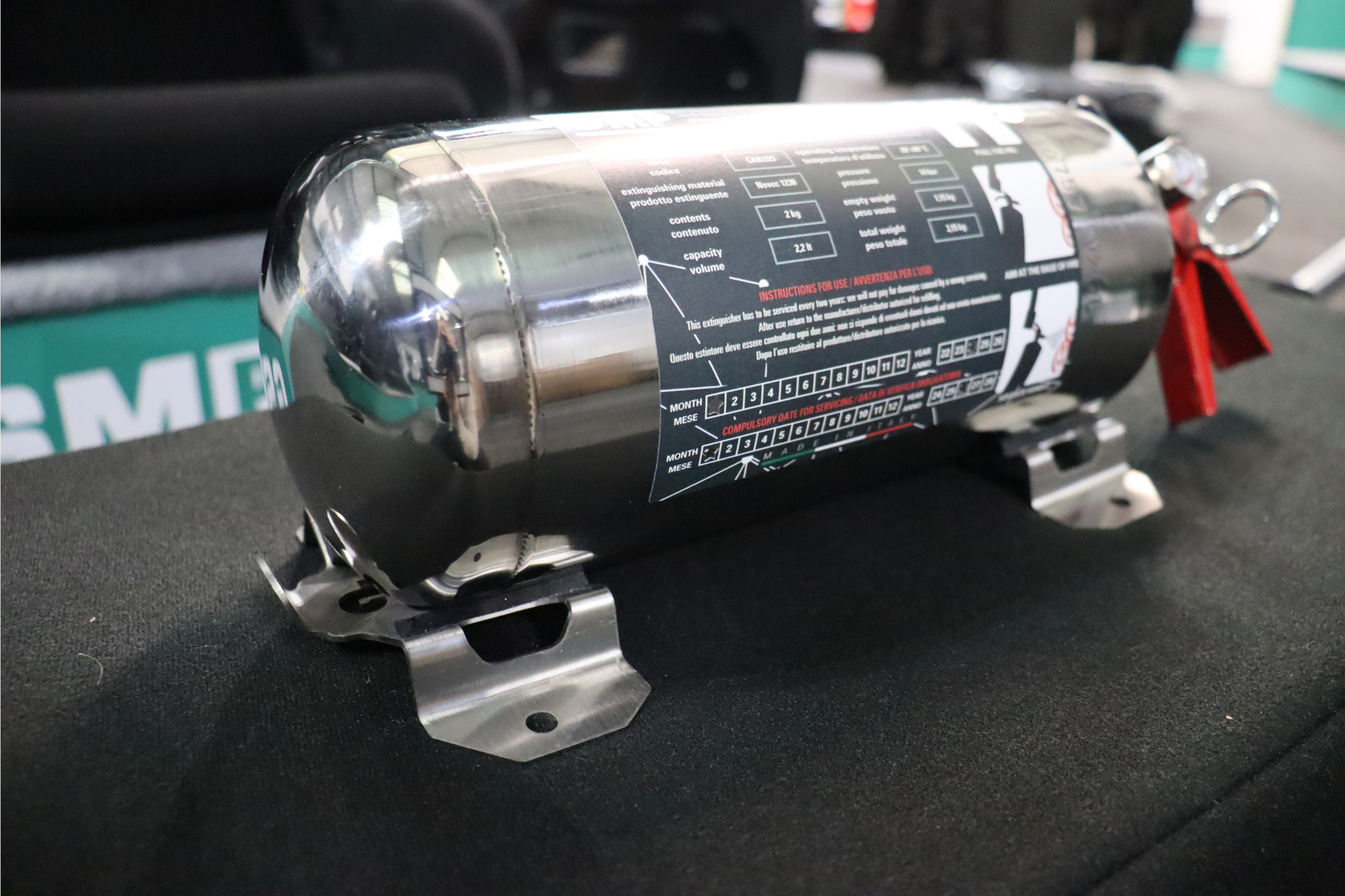
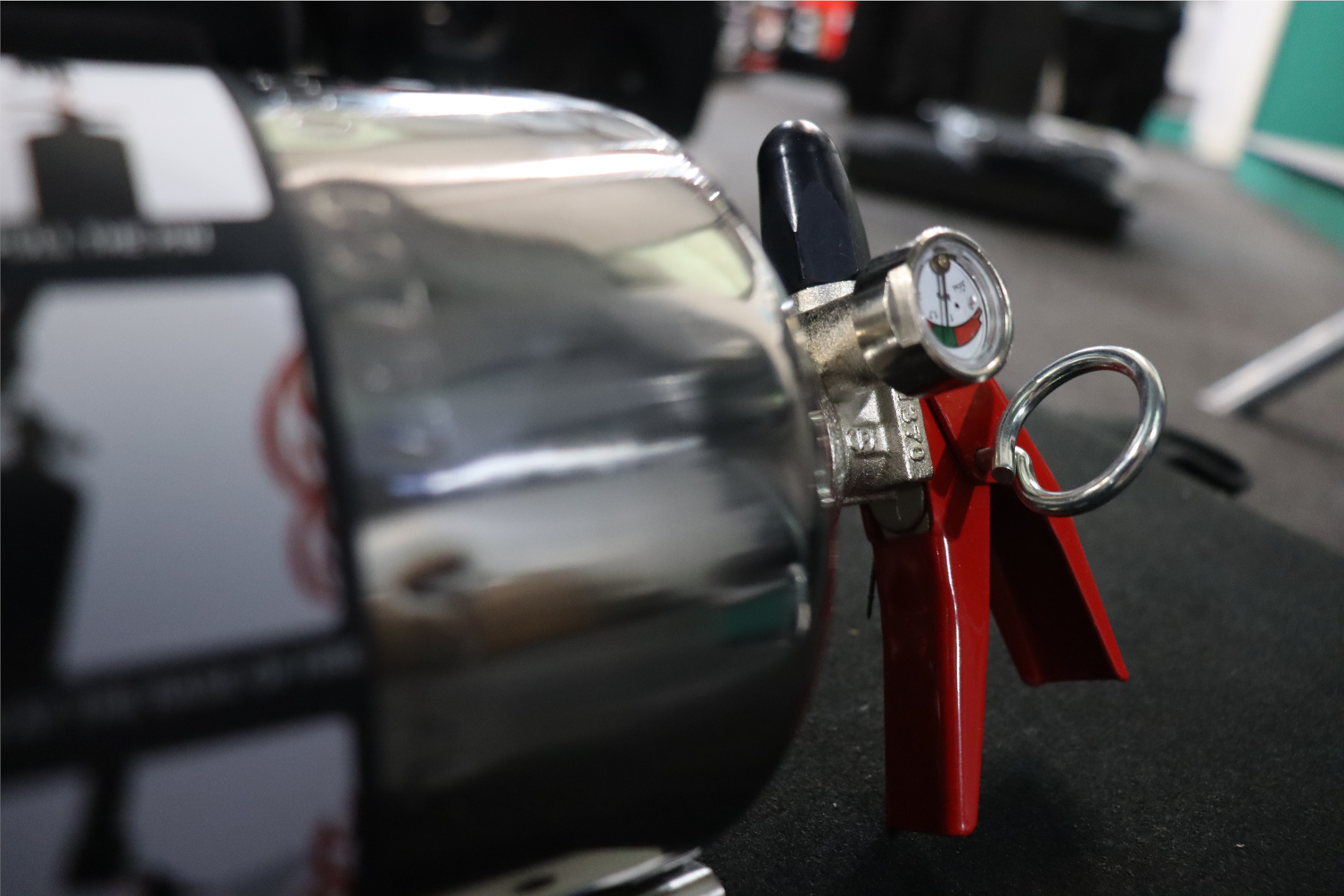
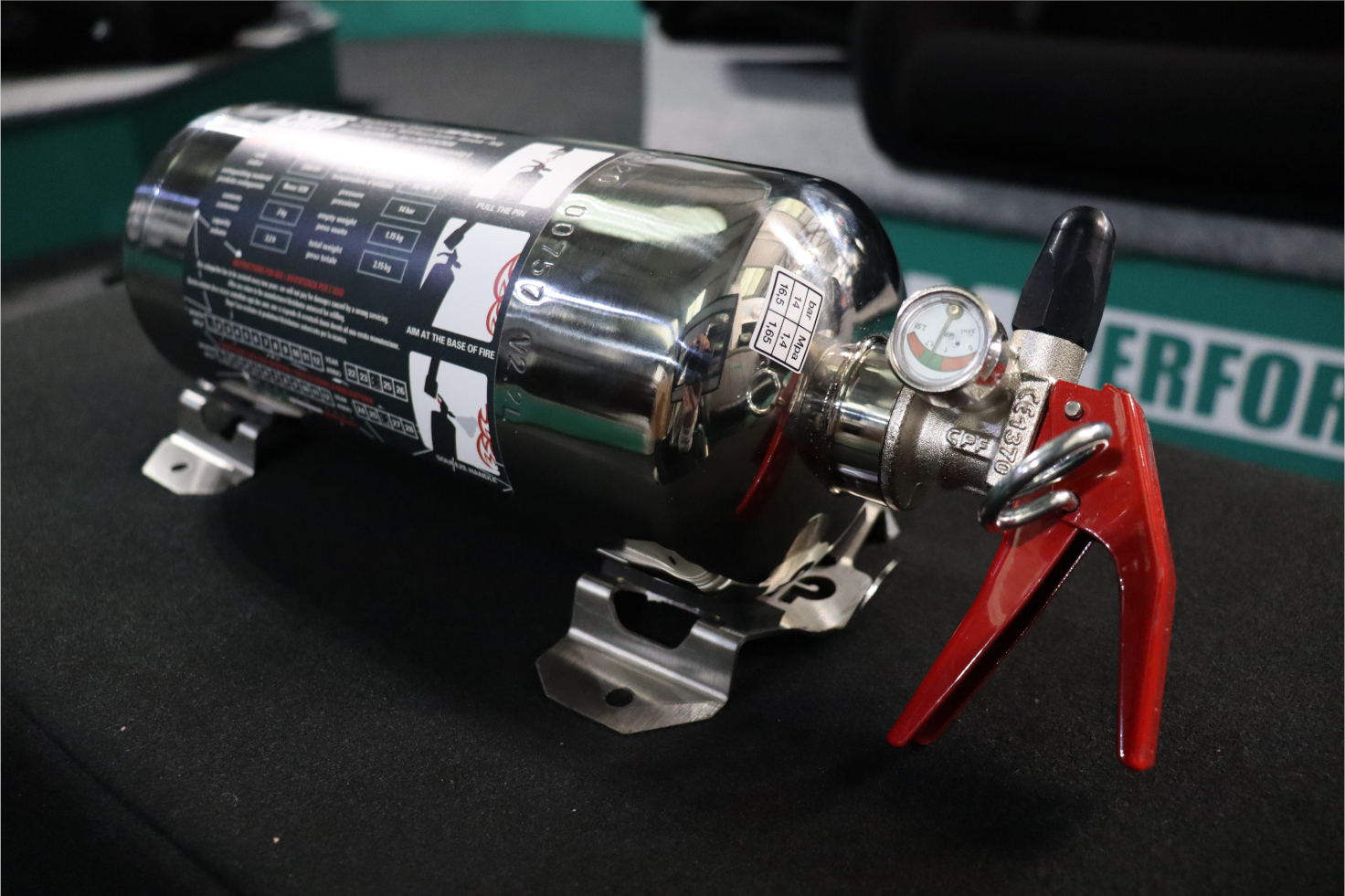
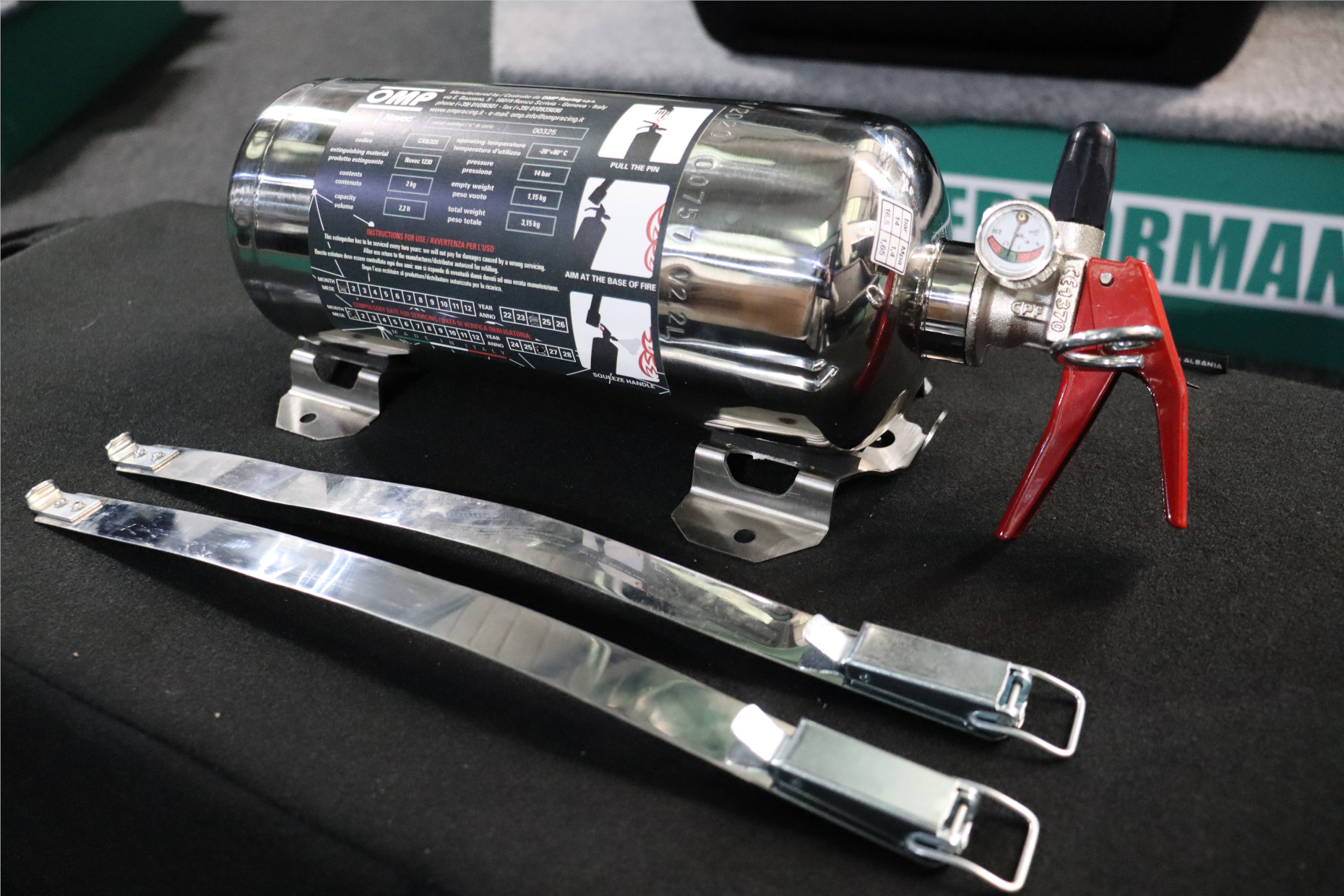
- Hand-Held Extinguishers: These are portable extinguishers mounted inside the cabin (usually within reach of the driver). In some disciplines (like rally), regulations require both a plumbed-in system and an additional hand-held unit on board. A hand-held is basically like a regular fire extinguisher with a handle and pin, which the driver or co-driver can unclip and use manually.
No matter which type you have, mechanical, electrical, or hand-held, they all need regular maintenance. The extinguishing agents can settle or leak over time, seals can degrade, or pressure can drop. A properly serviced system ensures that if the worst happens, you’ll actually have fire-fighting power at the ready.
Motorsport UK Rules: Service Intervals and Lifespan
If you’re competing in the UK, Motorsport UK’s regulations have some clear requirements for fire extinguishers. Since 2018, all on-board fire extinguishers in competition cars must be serviced every two years. This rule applies to both plumbed-in systems and hand-held units. It’s not optional; if your extinguisher is out of date (last serviced over 2 years ago), you can be failed at scrutineering and not allowed to compete.
Here are the key points to remember from the regs and FIA standards:
- Service every 2 years: You need to get the extinguisher inspected/serviced and recertified on a two-year interval to remain compliant. For example, if it was last serviced in March 2023, you must service it again before March 2025.
- 10-year maximum life: Motorsport extinguishers have a shelf life. They must be replaced after 10 years from the date of manufacture, regardless of condition. Even if never used, the internal cylinder can weaken over time. (So that shiny bottle from 2013 is no longer eligible in 2024, time for a new one!)
- FIA-homologated equipment: Since 2022, most UK competitions require an FIA-homologated extinguisher system (compliant with FIA Technical List 16 or the newer 8865-2015 standard). Using an approved system is important not just for safety but also because these systems are built to be serviced. The homologation label on your bottle tells scrutineers it’s an approved model.
- Installation matters: This isn’t directly about servicing, but worth a mention, the system must be installed per the manufacturer’s instructions to pass scrutineering. For example, there should be two firing points (one inside for the driver, one outside for marshals) marked by the letter “E” in a circle, etc. A poor installation can get you failed at scrutineering just as surely as an out-of-date service.
Staying within the 2-year service window and 10-year lifespan is critical. A quick glance from a scrutineer at the bottle’s service label or date stamp will tell them if you’re compliant. If you’re not, it doesn’t matter if the system looks fine, you’ll be sidelined until it’s sorted.
Where (and How) to Get Your Extinguisher Serviced
So you’ve noted your extinguisher needs a service, where do you actually go to get this done? The answer is authorised motorsport fire extinguisher service agents. These are specialists who have the training and equipment to service competition-grade systems.
Manufacturer-Authorised Service Centers: Most major fire system manufacturers (like Lifeline, FEV, OMP, Sparco, etc.) have approved service partners in various regions. For example, Lifeline maintains a global network of service agents who have completed training courses and follow Lifeline’s official servicing procedures. Going through an authorised agent ensures the work is done correctly and with compatible parts. The agent will inspect the bottle, replace o-rings, check the trigger mechanism, refill the extinguishant if needed, pressurise it to the correct level, and then label it with a new service date. After that, your system is good to go for another 2 years of racing (or until discharge).
How to find an authorised service provider: Start with the manufacturer’s website or dealer locator. For instance, Lifeline’s site provides a list of service agents in the UK (and worldwide). Many motorsport race shops and safety equipment suppliers are authorised to service certain brands. A few well-known UK examples include Merlin Motorsport, Demon Tweeks, Raceparts, and others. These companies have dedicated workshops or partnerships for servicing popular FIA-approved extinguishers. You can also contact the place where you bought the extinguisher; chances are, they either handle servicing or can direct you to the right service centre.
Can I send it back to the manufacturer? In some cases, yes. Some manufacturers (like Lifeline in the UK) will accept bottles sent directly to them for servicing. However, this might involve longer turnaround times (Lifeline mentions 3-4 weeks lead time at their own workshop), so many people prefer to use a local authorised agent for a quicker job. Manufacturers typically won’t service another brand’s extinguisher (e.g., Lifeline won’t service an OMP bottle), so if you go direct, make sure you’re sending it to the matching manufacturer.
What about cost and turnaround? The service cost depends on the type of system. For a typical club-level plumbed-in or handheld unit, expect roughly on the order of £30–£50 for a basic service. It can be less for small handhelds, and substantially more for advanced systems (for example, a high-end FIA 8865-2015 system might cost a few hundred pounds to service due to expensive suppressant and parts). Always check with the service agent for a quote – many will give you an estimate if you provide the model and age. Turnaround time can vary from same-day or a few days (some shops offer service while-you-wait by appointment) to a couple of weeks if they have to send it off to a manufacturer or if parts need ordering. It’s smart to service well before your next event in case of any delays.
Sending your extinguisher for service: If you’re not near a service center, you may need to ship the extinguisher. Service agents often accept shipped bottles, just discharge it only if instructed, or leave it pressurised otherwise (some prefer you leave it full to avoid moisture ingress; check with the agent). Pack it securely, include your return info, and ensure the package is clearly marked and sent via a tracked courier. Tip: Before shipping or dropping off, take note of your extinguisher’s homologation number and current service date. And don’t forget to put the safety pin back in (for handhelds or mechanical systems) to prevent any accidental discharge in transit!
Do Fire Extinguishers Need to Be “Registered”?
Customers sometimes ask if they need to register their fire extinguisher or get some kind of certificate for it. There is no central “fire extinguisher registry” for Motorsport UK or FIA. You don’t need to, say, file paperwork with Motorsport UK about your extinguisher. The proof of compliance is in the service label (sticker or tag) on the bottle and the homologation labels.
Here’s how it works in practice:
- Service Label: When an authorised agent services your extinguisher, they will affix a label or tag on it showing the date of service (and often the next due date) along with their company name or ID. This is essentially your “certificate” that the extinguisher has been serviced and is good to go. Scrutineers at events will check this label to ensure the service date is within the last 2 years. If the label is missing or illegible, that itself could be a problem; make sure it stays intact and readable.
- Homologation Label: Every FIA-approved extinguisher has a homologation label, often a sticker or engraving on the cylinder, with a standard code like “FIA Techn. List 16” and a homologation number, plus a manufacturer’s date. Scrutineers will also check that to ensure your system is an approved model and not older than 10 years. You don’t “register” this anywhere, but you should take note of the dates. Some drivers keep a log in their prep notebook of extinguisher service dates and replacement due dates, not a bad idea!
As long as your kit is in date and has the proper labels, you’re considered compliant. You won’t have to send forms or register the extinguisher with any authority. The only time documentation might come into play is if you get a service certificate or receipt from the service agent; it’s good to keep that in your records. But at the track, the sticker on the bottle itself is usually what officials look for.
Can Any Company Refill or Service My Extinguisher?
Now to the crux of a common misconception: “Do I really need to send it to a specialist? Can’t any fire extinguisher refill company do it?” In general, it’s strongly recommended to use authorised motorsport service agents rather than a generic fire protection company. Here’s why:
- Maintaining FIA Homologation: Motorsport extinguishers (especially plumbed-in systems) are built and tested to FIA standards. Using the wrong refill agent or incorrect pressure can take them out of spec. Authorised service centers use the manufacturer’s specified extinguishant (e.g. the correct AFFF foam concentrate or gas) and follow exact procedures. A general fire extinguisher shop (the kind that services office or building extinguishers) may not have the right materials or knowledge of motorsport units.
- Safety and Compatibility: The internal components like O-rings, burst disks, gauges, and actuators, are often brand-specific. An unapproved servicer might replace parts with non-original or incorrect substitutes. This could be dangerous, for instance, a mismatched pressure relief valve or a seal that can’t handle the pressure. Manufacturers and their agents will ensure compatible parts are used so the system will function as designed.
- Scrutineer and Manufacturer Trust: If your extinguisher has been serviced by an unknown or non-certified entity, it could raise questions. In fact, manufacturers reserve the right to reject a bottle for future servicing if they see it was worked on by someone not approved. For example, if you send a Lifeline bottle back to Lifeline and they notice a non-Lifeline label or non-standard component, they might refuse to service it because they can’t vouch for what was done. Moreover, a service label from a known authorised agent gives confidence to scrutineers. A random sticker from “Joe’s Fire Extinguishers” that they don’t recognise might draw extra scrutiny. As Demon Tweeks notes in their guide, servicing by a non-manufacturer-approved agent can be unsafe due to incompatible parts, and such an extinguisher may be rejected.
- Expertise in Motorsport Needs: Motorsport extinguishers face different conditions than a wall-mounted unit in a building. Vibration, heat, and the need for rapid discharge mean the servicing is a bit more specialised. Motorsport service agents are familiar with these conditions. They’ll check things like whether the siphon tubes are clean, ensure nozzles aren’t clogged, verify the activation system (mechanical cable or electrical trigger) is functioning and properly sealed after reconnection, etc. A general service shop might just fill and tag it without these deeper checks.
In short, yes, it matters who refills or services your extinguisher. Any company could physically refill a bottle with something, but to be competition-legal and safe, stick to the specialists. The good news is that there are plenty of authorised service providers, and the service interval (two years) means it’s not something you have to do frequently. Plan ahead and get it done right.
Key Takeaways for Keeping Your Extinguisher Race-Ready
Here’s a quick summary for keeping your motorsport fire extinguisher safe and legal in the UK:
- Service every 2 years – This applies to all systems: plumbed-in (mechanical or electrical) and hand-held. It’s a Motorsport UK requirement.
- Replace after 10 years – Check the manufacture date on the bottle. Even if it looks fine, it must be replaced once it’s a decade old.
- Use authorised service agents – Always go to a manufacturer-approved company for servicing. Avoid general refillers that don’t specialise in motorsport.
- No need to register – You don’t have to file anything, but make sure the extinguisher has a clear, in-date service label. That’s what scrutineers will check.
- Hand-helds need servicing too – If you have both types, don’t forget to book them in together.
- Refill after discharge – Even if it’s only partially used or went off accidentally, it must be professionally refilled before you race again.
- Don’t leave it too late – Plan ahead and get servicing done before the season starts or a big event.
A serviced extinguisher is more than just a rulebook tick; it’s a vital safety kit. If you need help finding the right service agent or want to check what your system needs, just ask us at GSM Performance. We’re here to help.