OMP fire extinguisher systems explained: FAL, SAL, SST and what the number means
We now list ten OMP plumbed-in fire extinguisher systems, and I will be honest, the naming looks like somebody sat on a keyboard. FAL6, SAL6, SST6, SST7, and then a part number like OMPCM0-SAL6-B01 on top of it.
This range causes more confusion than anything else we sell, so this page is us having a proper go at fixing that.
Once you can read the names, the whole range makes sense in about thirty seconds, and you can pick the right system off a list without ringing anybody. Including me, which is fine.
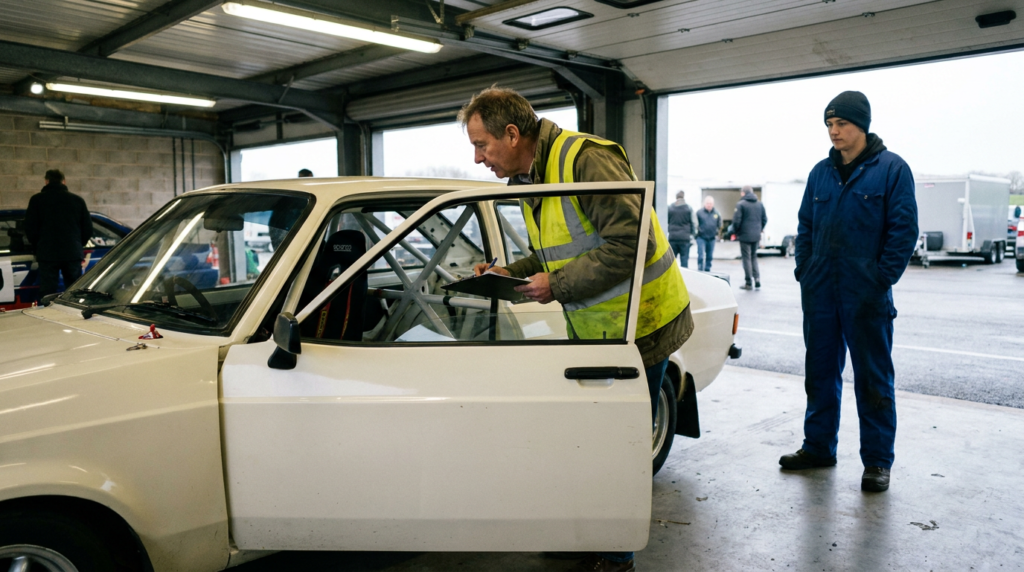
The point in a build where the system goes in, and the point to decide which one.
Every one of these systems is homologated to FIA Technical List 16, so the approval will not separate them. What varies is four things, and all four are in the name.
Part of the name
What it tells you
FAL / SAL / SST
F is Formula, for open cockpit single seaters. S is Saloon and GT.
FAL / SAL
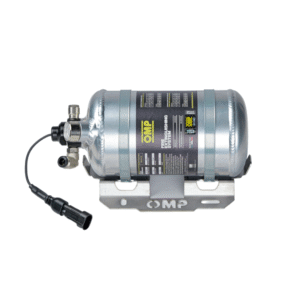
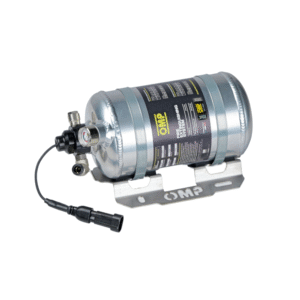
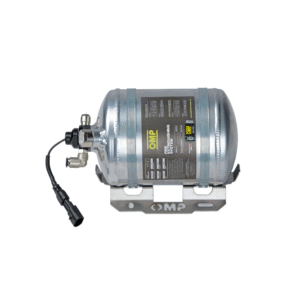
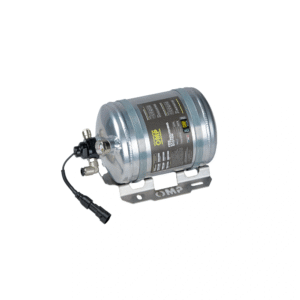
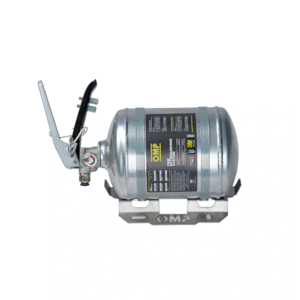
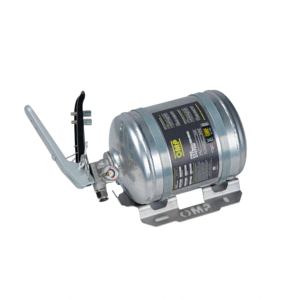
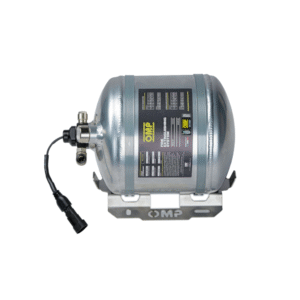
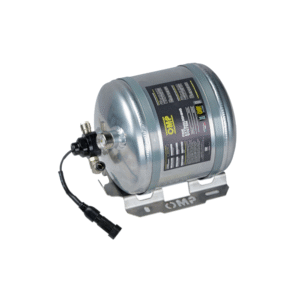
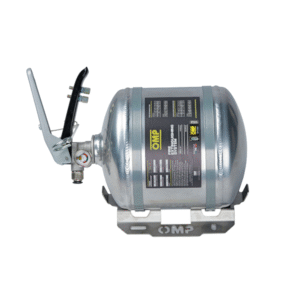
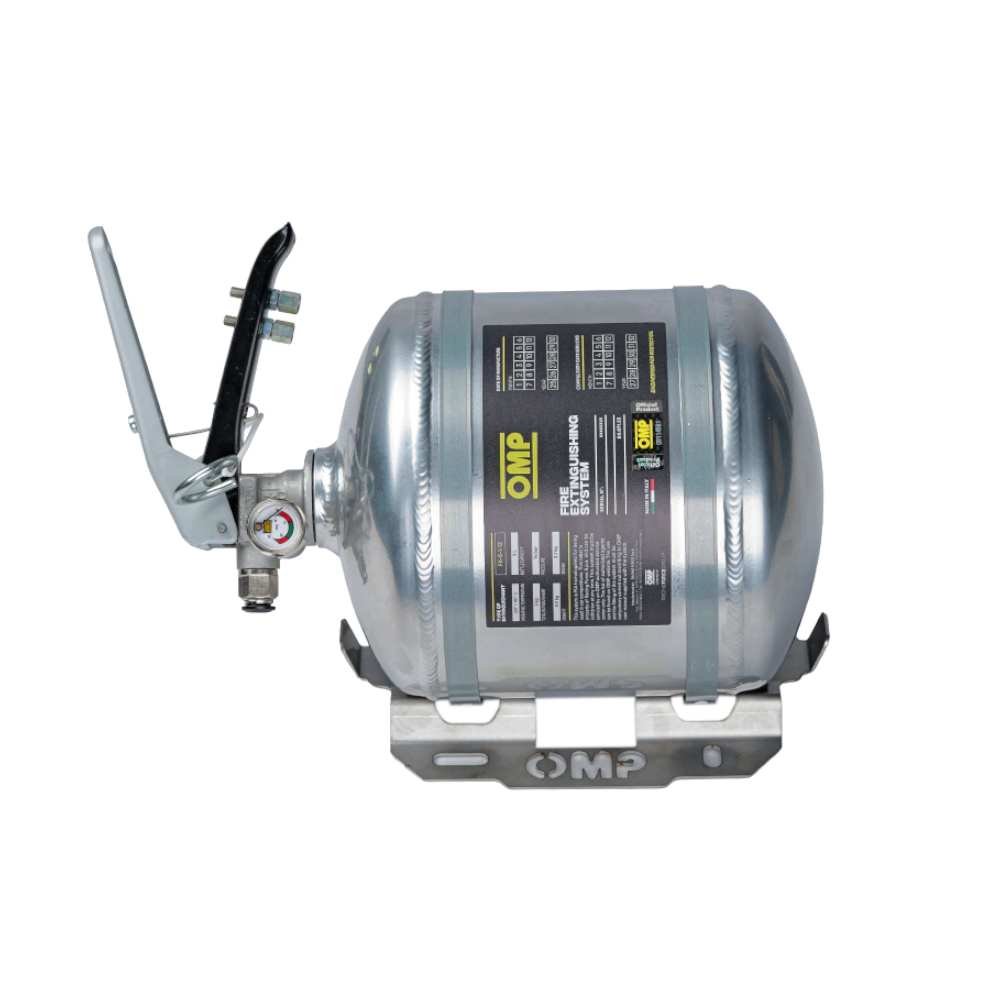
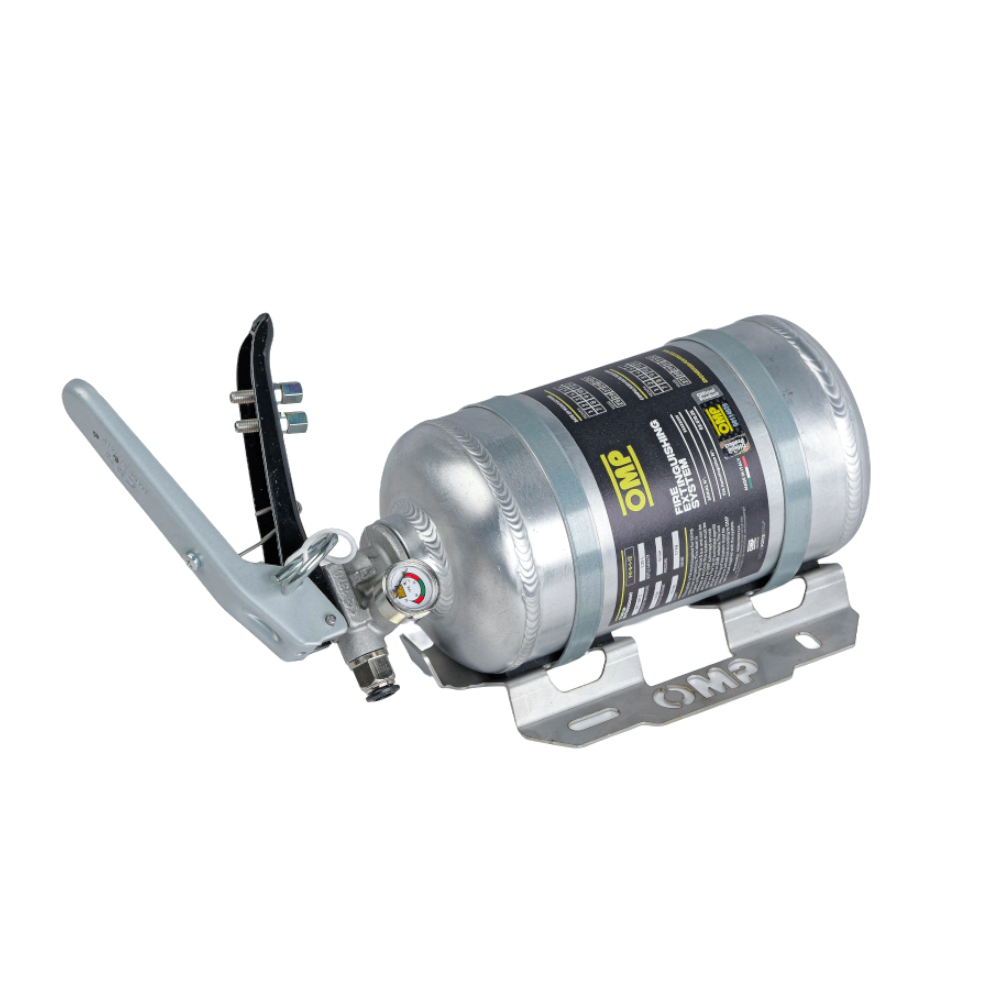
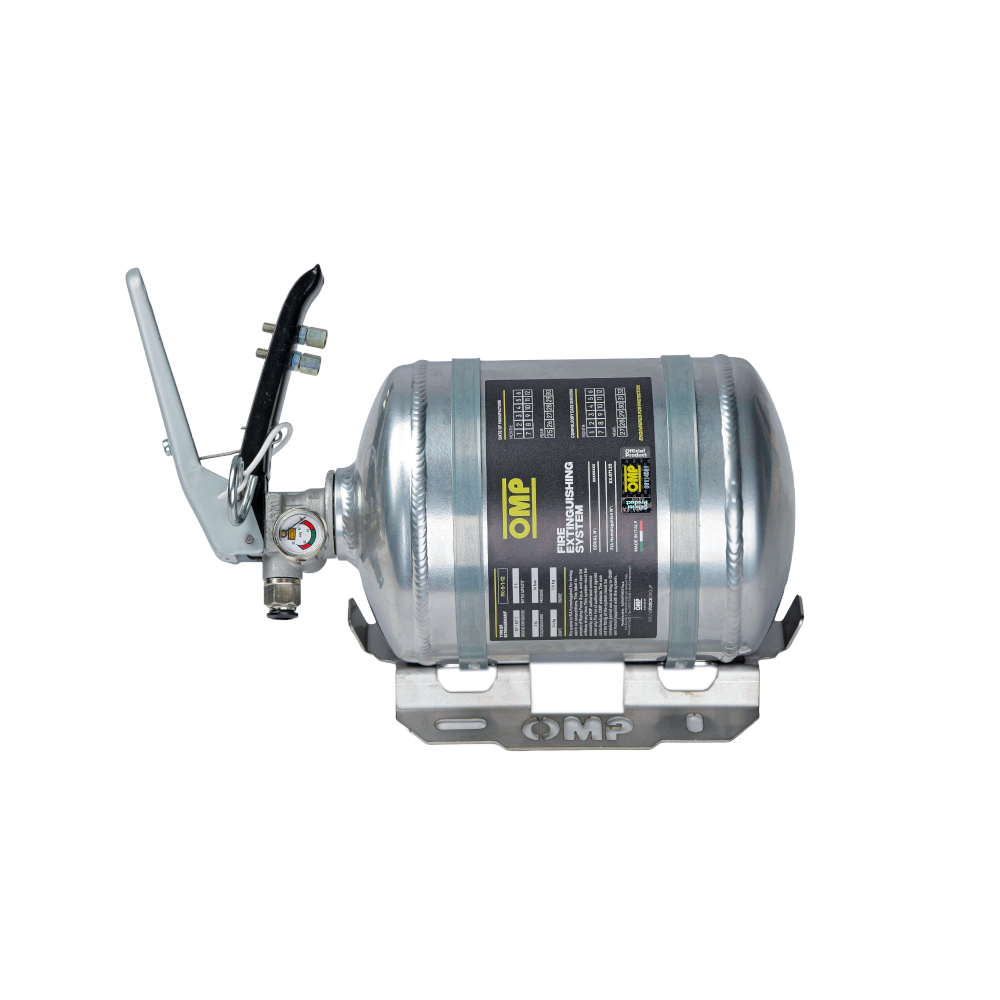
Aluminium bottle. Lighter, and finished in silver.
SST
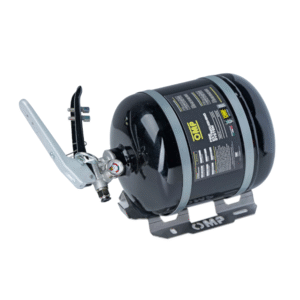
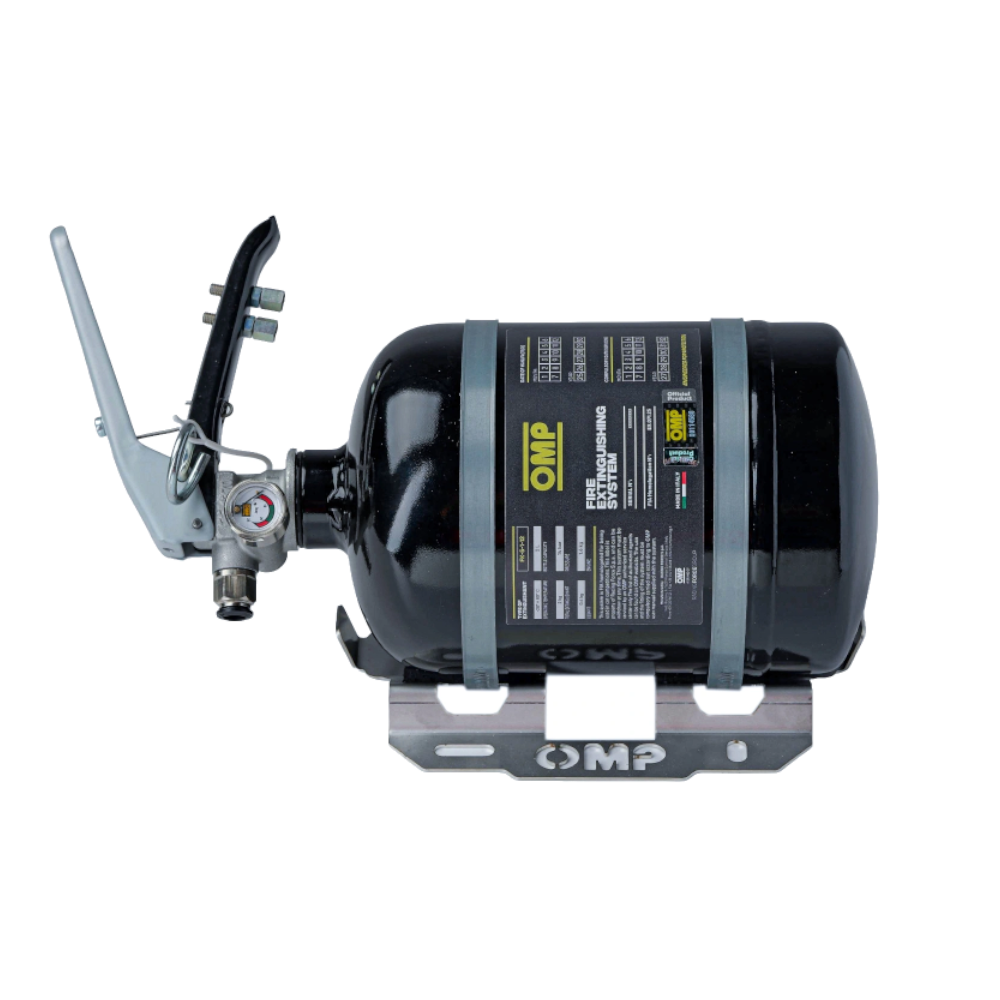
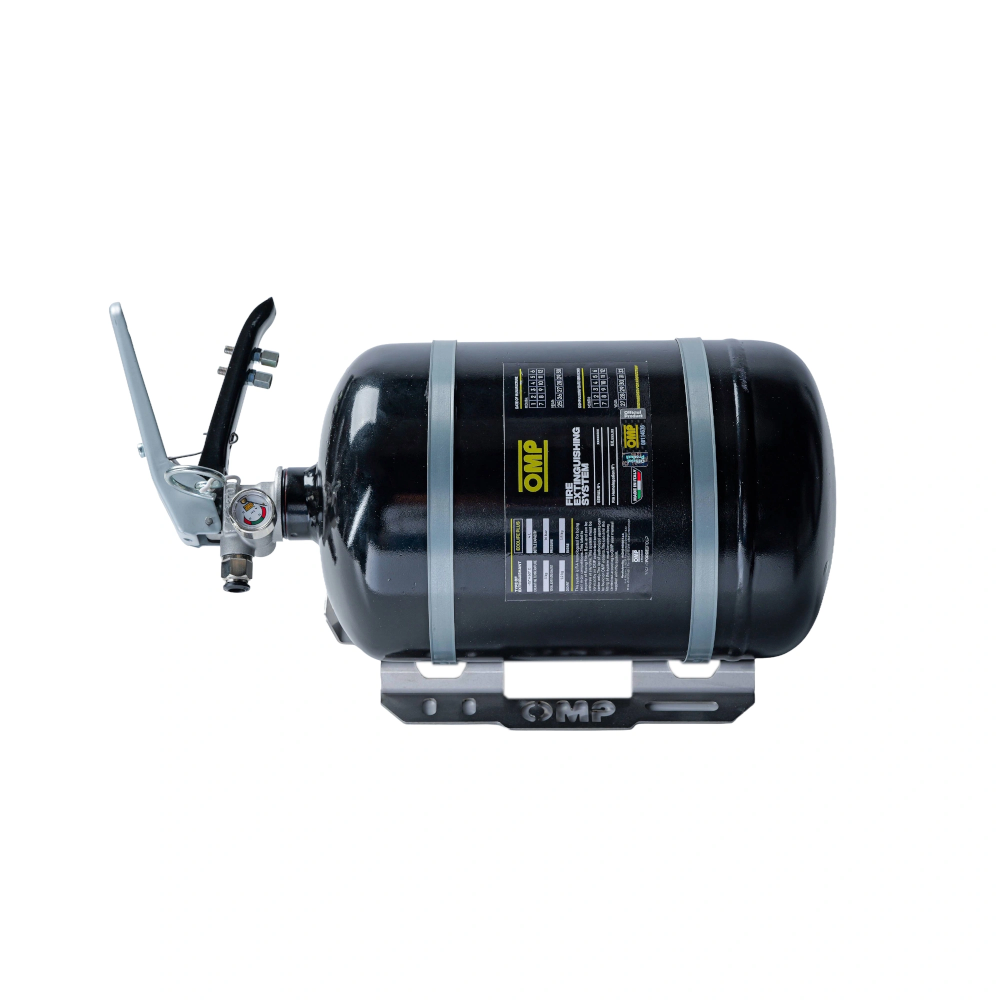
Steel bottle. Heavier, cheaper, and finished in black.
…6
FK-5-1-12 clean agent. A gas. Leaves nothing behind.
…7
OMP Ecolife foam. Cheaper, and you will be cleaning up.
SKU starting OMPCM0
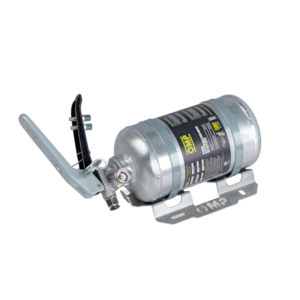
Mechanical trigger, pull cables and handles.
SKU starting OMPCE0
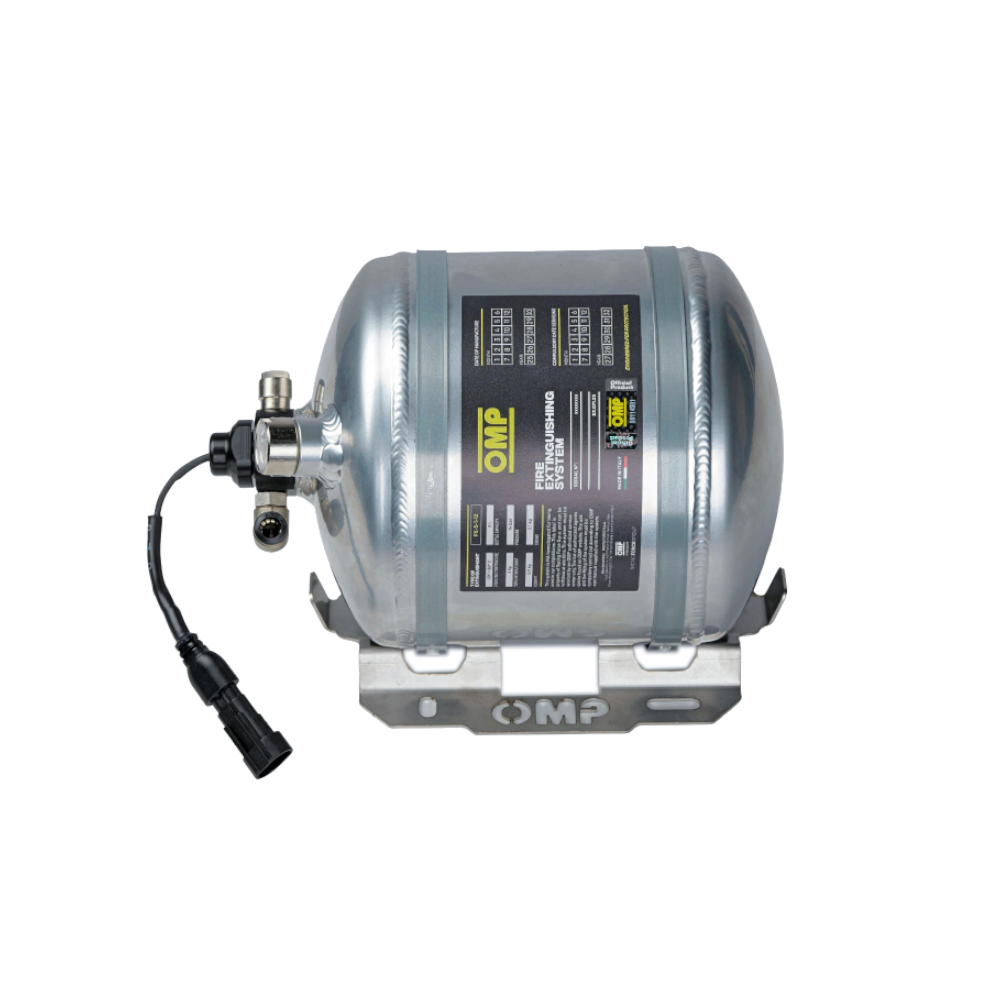
Electrical trigger, control box, loom and push buttons.
I have checked that against every system in the range and it holds on all ten. So an OMPCM0-SAL6-B01 is a mechanically triggered, aluminium bottled, clean agent system for a saloon or GT car, and you got all of that without opening a single listing.
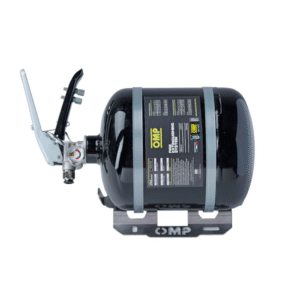
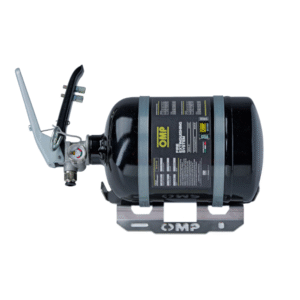
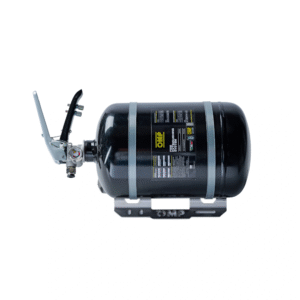
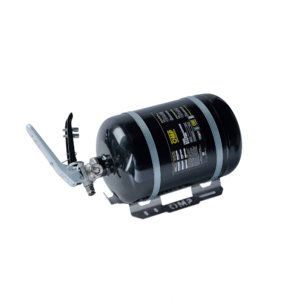
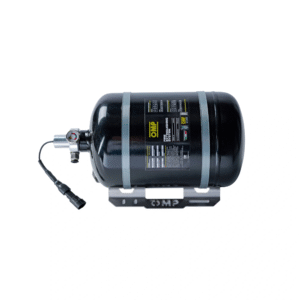
The colour is a useful shortcut too. If it is silver it is an alloy bottle. If it is black it is steel. That one alone cuts the range in half.
Decision one: clean agent or foam
This is the big one and it is worth more thought than the capacity.
The systems ending in 6 use FK-5-1-12. It is a gas, it is non-toxic and non-conductive, and it leaves no residue at all. It does not care about your loom or your dash. If it goes off and you catch the fire, you refill the bottle and carry on.
The SST7 systems use OMP’s Ecolife foam. It knocks flames down fast and it is good at stopping re-ignition, which is a real advantage on a fuel fire. What it also does is coat everything it touches.
Both put a fire out. The difference is what the inside of the car looks like afterwards, and what that costs you.
On a well sorted car with money in it, take the clean agent. On a car with a simple loom and a budget, the foam is a perfectly sensible piece of safety equipment and the price difference is not small. What I would say is that the foam route only makes sense if you have thought it through, and not just picked the cheapest line on the page.
Decision two: mechanical or electrical, and a result that surprised me
Mechanical systems fire through pull cables, with a handle inside the car and another one outside for a marshal to reach. No power, nothing to go flat, nothing to fail electrically. Simple and it will work in ten years.
Electrical systems use a control box, a wiring loom and push buttons. They are easier to place, easier to reach with a harness done up tight, and they cost more.
Here is the bit I had backwards until I sat down with the numbers. I assumed the electrical systems would be heavier, because there is a box and a loom in the kit. They are not. Every single electrical version in this range is lighter than its mechanical twin:
FAL6 1.4 kg: mechanical 2.2 kg, electrical 2.05 kg
SAL6 2 kg alloy: mechanical 2.95 kg, electrical 2.85 kg
SAL6 3 kg: mechanical 4.1 kg, electrical 3.95 kg
SST7 3 kg steel: mechanical 5.5 kg, electrical 5.45 kg
The reason is the firing head. On the FAL6, the bottle is 196 mm long either way, but with the mechanical head fitted the whole assembly measures 288 mm, against 230 mm for the electrical. The mechanical trigger is a bigger lump of metal on top of the bottle, and that is the whole story.
It is not a lot of weight in the scheme of a race car. It is worth knowing if you are packaging a single seater to the millimetre, and it is worth knowing because it means the usual “electrical is heavier” assumption is wrong here.
Decision three: alloy or steel, and what the difference costs
Only the clean agent saloon and GT systems come both ways, so this is a straight comparison between the SAL6 and the SST6.
Capacity
SST6 steel, mechanical
SAL6 alloy, mechanical
You save
2 kg
3.55 kg system, £518.40
2.95 kg system, £644.40
600 g for £126
3 kg
5.1 kg system, £612
4.1 kg system, £717.60
1 kg for £105.60
The 3 kg comparison is the interesting one. A full kilogram out of the car for just over a hundred pounds is cheap weight saving by any standard, and it comes out of a bottle that is usually mounted low and central, which is exactly where you do not mind losing mass.
At 2 kg the maths is worse: 600 grams for £126. Still fine, but not the bargain the 3 kg is.
The alloy bottles are also physically shorter. The SAL6 3 kg bottle is 199 mm long against 215 mm for the SST6, both at 160 mm diameter, so in a tight footwell or against a bulkhead the alloy version is easier to get in.
FAL6, for single seaters
The FAL6 is the one to look at if your car has no roof. It is homologated for open cockpit single seaters specifically, it holds 1.4 kg of FK-5-1-12, and the whole system comes in at just over two kilos.
The bottle is 100 mm in diameter and 196 mm long, which is small enough to go in places the saloon bottles will not. Six atomiser nozzles cover the cockpit and the engine bay, and it comes as a complete kit with aluminium tubing, fittings, brackets and anti-vibration clamps.
The mechanical version uses a dual pull cable with an internal and an external handle, which is what most regulations want for an open cockpit car. Systems start at £540 including VAT.
Four systems here: 2 kg and 3 kg, each available mechanical or electrical. All four use FK-5-1-12 clean agent in an aluminium bottle.
This is the range I fit most often to a serious club or national car. The weight is sensible, the clean agent leaves your loom and electronics alone, and the bottles are short enough to package properly.
Bottle sizes are 199 x 130 mm for the 2 kg and 199 x 160 mm for the 3 kg on the mechanical versions, with the electrical ones a couple of millimetres shorter. Measure before you commit to a mounting position, particularly if you are going behind a seat.
Two systems, 2 kg and 3 kg, both mechanical only. Same FK-5-1-12 clean agent as the SAL6, in a steel bottle instead of aluminium.
If you want the clean agent but do not want to pay for the alloy, this is the answer, and the 2 kg SST6 is the cheapest way into a clean agent system in the whole range.
You are carrying the extra weight I set out above and the bottles are slightly longer. Neither matters much on a road-going class car where you are nowhere near a weight limit.
SST7, the foam systems
Two 3 kg steel bottle systems using OMP Ecolife foam in place of the clean agent, one mechanical and one electrical.
The mechanical SST7 is by a distance the cheapest FIA Technical List 16 system we sell, and it is a proper piece of equipment. It sits on exactly the same homologation list as a SAL6 at three times the money.
What you are accepting is the foam. Bigger bottle at 270 mm long, heaviest system in the range at 5.5 kg, and a cockpit to clean out afterwards. For a club car, a road-going class, or a first competition build where the budget is going on a cage and a seat, that is an entirely reasonable trade and I sell plenty of them.
Prices for the whole plumbed-in range start here at £273.60 including VAT.
All ten are FIA Technical List 16 homologated and all ten come as complete kits with tubing, nozzles, brackets, clamps and fittings. Weights are OMP’s figures at plus or minus five per cent.
The bit the naming cannot tell you is what your class asks for. Check that first.
What I would actually fit
Club saloon or road-going class, sensible budget: the SST7 mechanical. Cheapest way to a legal, homologated system, and the foam does the job properly.
National level car with a proper loom, data and a dash worth protecting: SAL6 3 kg. The clean agent pays for itself the first time it goes off, and the alloy bottle at 3 kg is the best weight per pound in the whole range.
Single seater: FAL6, and choose mechanical or electrical on where you can physically get the handles. That is the deciding factor, not the 150 grams.
If you are somewhere in between and cannot decide, the SST6 2 kg is the honest middle. Clean agent, steel bottle, mechanical, and the cheapest clean agent system on the page.
Check the class before you orderSome championships specify a minimum capacity, so a 2 kg system in a class that wants 3 kg is an expensive mistake. Send us the class and we will check it with you.
Common questions
What does FIA Technical List 16 mean?
It is the FIA homologation list for plumbed-in extinguisher systems. All ten OMP systems on this page are on it, so the approval is not what separates them.
What is the difference between the 6 and the 7 in the name?
A 6 means FK-5-1-12 clean agent, which is a gas that leaves no residue. A 7 means OMP Ecolife foam, which is cheaper and does leave a mess to clean up.
How do I tell an alloy bottle from a steel one at a glance?
Colour. The alloy bottled systems, FAL and SAL, are finished in silver. The steel bottled SST systems are black.
Does mechanical or electrical change the weight much?
Yes, and not the way most people expect. Every electrical version here is lighter than its mechanical twin, because the mechanical firing head is a bigger lump of metal on top of the bottle.
Is the alloy bottle worth the extra?
At 3 kg it saves a full kilogram for just over a hundred pounds, which is cheap weight out of a car. At 2 kg it is 600 grams for £126, so the case is weaker.
What capacity does my class need?
That depends on your championship regulations, and some classes specify a minimum. Check before you order, and send us the class if you would like us to check it with you.
Final thoughts: read the name, then read the regs
The code is the shortcut. F for formula, S for saloon, AL for alloy, ST for steel, 6 for clean agent, 7 for foam, CM0 mechanical, CE0 electrical. That gets you to a shortlist of two in a minute.
Then check what your class actually requires, because that is the bit the naming cannot tell you.
A plumbed-in system is not the whole job either. Most regulations want a hand held extinguisher in the car as well, and that is a separate decision I will come back to.
Send us a message, or call in and put your class regs on the counter. Ask for Cameron or Garreth and we will pick the system together.
Not sure what fits, which approval you need, or what to choose next? Ask Garreth and Cameron. You’ll get a practical answer from people who handle the kit every day.