Call Garreth, Cameron & CallyAI: 0115 9893488

Free UK shipping on orders over £100.00 FREE gifts on checkout

Useful Links
Your Account

Talk to us

Garreth, Cameron & CallyAI · Mon to Fri
Call 0115 989 3488Free advice on your build
Thanks, that’s with us. We reply the same working day.
That didn’t send. Please give us a call instead.

Useful Links

Quick Access

Want to chat?

Call Garreth, Cameron, CallyAI
Today On: 0115 9893488
Click Here For Our Contact Form
Buy gift vouchers today


Social
FacebookXInstagramTikTokYouTubePinterest

What Kit Do You Need For Your First Track Day?

The phone call goes the same way most weeks. Somebody has booked their first track day, they are somewhere between excited and slightly worried they are about to look daft in the pit lane, and they want to know what they actually need to buy.

The good news is that it is a shorter list than the internet suggests, and a decent chunk of what gets recommended is for people three seasons further along. Below is what you genuinely need, what is worth having, what can wait, and where the money is better spent on the car than on yourself.

Road cars in a British track day pit lane with drivers in everyday clothes holding plain white helmets
Mostly ordinary road cars and people doing this for the first time. That is what a track day looks like.

Read the organiser first

Before anything on this page: track days are run by private organisers, and each one sets its own requirements. They are not Motorsport UK permit events, so the competition rulebook does not automatically apply, and what one operator asks for another does not.

So the first job is to open the booking confirmation and read what your organiser requires. It will cover the helmet, what you can wear, whether passengers are allowed, and the noise limit for that circuit. That last one matters more than people expect, because a noisy car can be turned away or black flagged, and it has nothing to do with how fast you are.

If the wording is unclear, ring the organiser. If it is unclear about kit, ring us as well and we will tell you what that requirement usually means in practice.

The helmet, the one certainty

Every organiser requires a helmet. It is the only item on this page that is genuinely universal, and it is where your first money should go. What varies is the standard they will accept, and that splits the shelf in two.

The cheap end that is still a proper helmet

Sparco and OMP both build to ECE 22.06, the current European road and track standard. It replaced 22.05 with harder testing, including rotational impact, so a 22.06 lid is a newer specification and not a relabelled old one. Ours start at £88.80 and the dearest of them is £142.80.

What they do not carry is FIA homologation, so they cannot be used in any event that requires an FIA standard, which covers most licensed competition. For a track day they are usually accepted, but ring your organiser before you buy, because they set their own rules and they do vary.

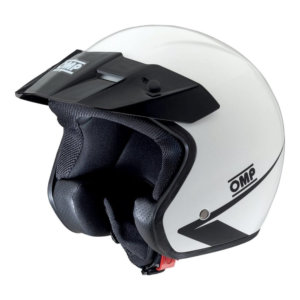
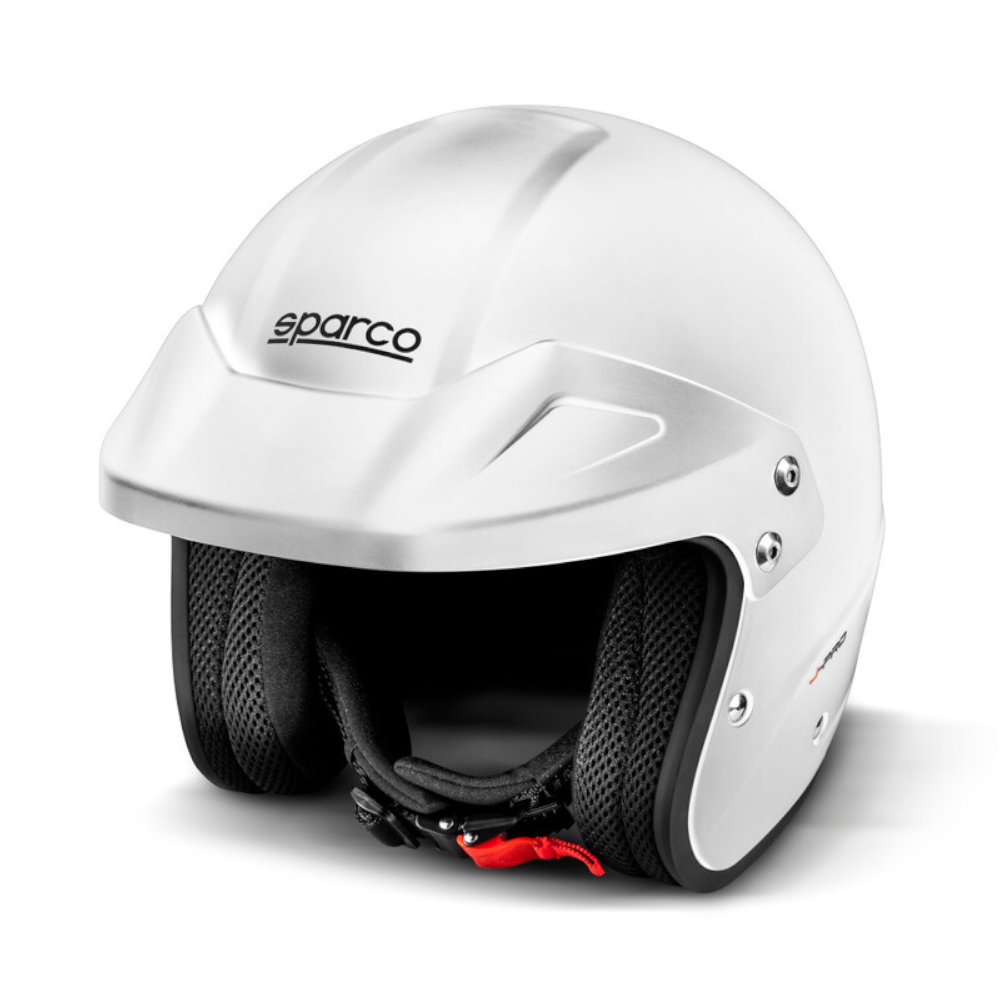
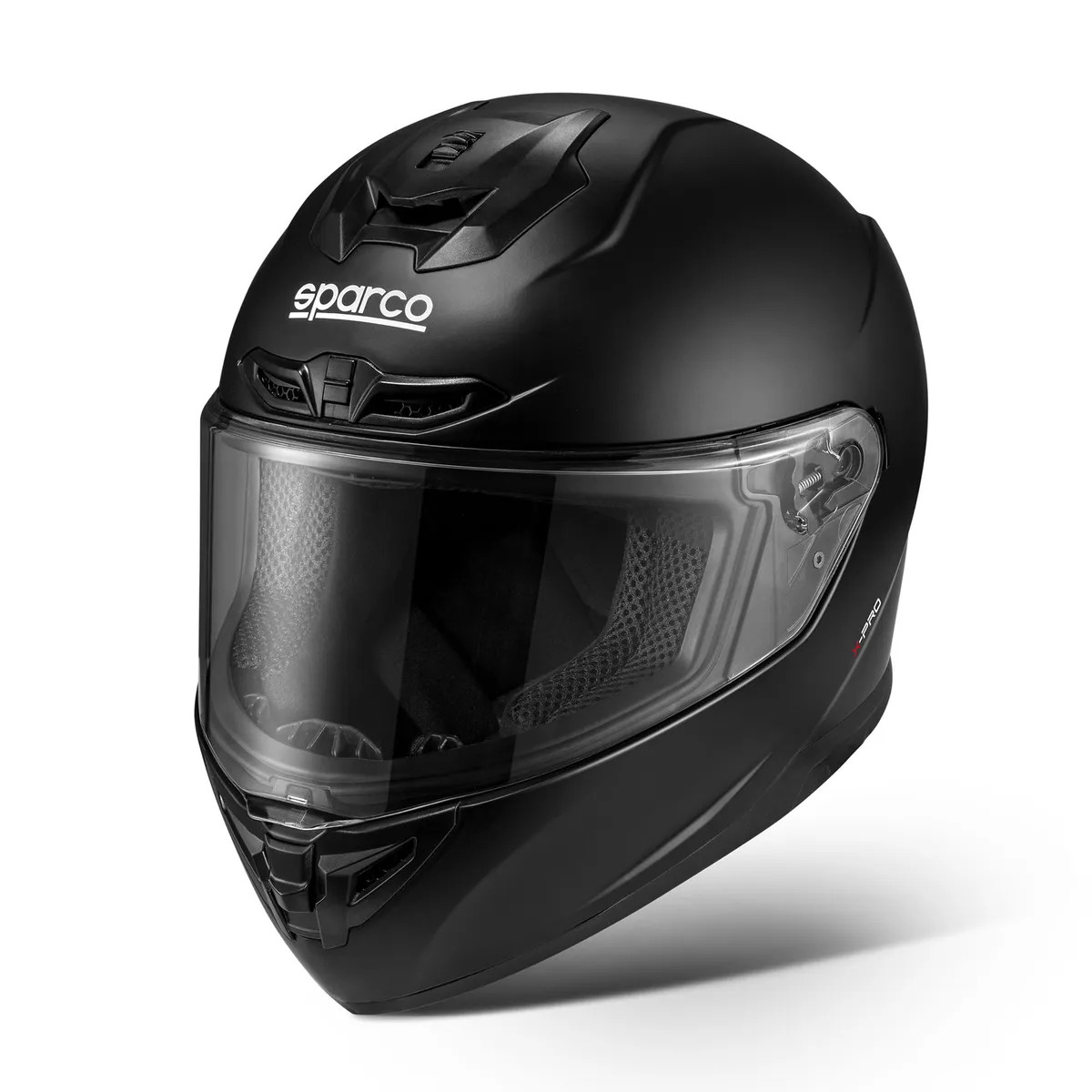
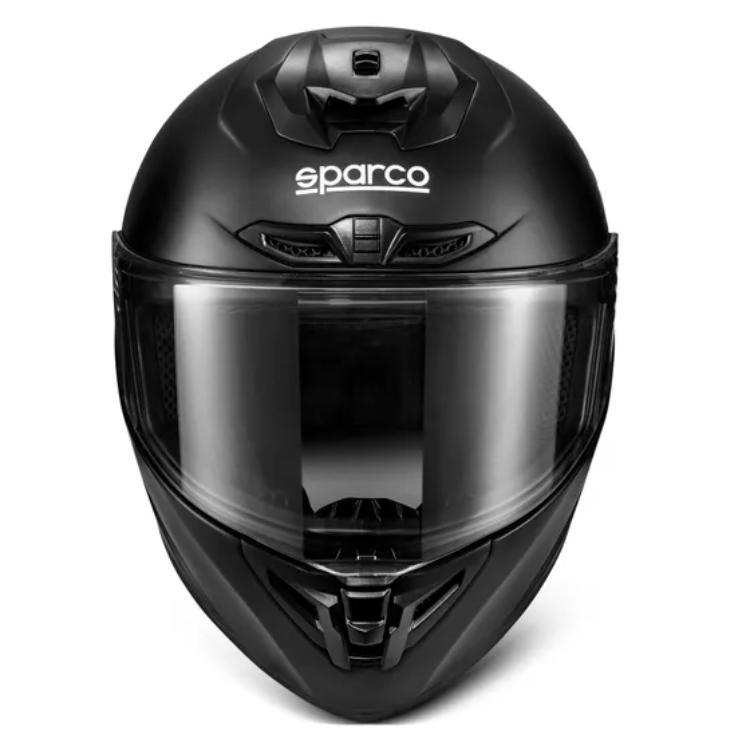
Watch the face coverage while you are at it. The OMP Star and the Sparco J-Pro are open face, and a lot of organisers want a full face. If you would rather not have that conversation on the morning, the Sparco X-Pro at £106.80 and the OMP Circuit Evo 2 at £108.00 are the full face pair in this group.

Examples from the range. More colours and liveries under track day helmets.

  • From £74.00
    0% pay-in-3Amazing valueTry in-store
    Select options This product has multiple variants. The options may be chosen on the product page
  • ,

    From £90.00
    0% pay-in-3Amazing valueTry in-store
    Select options This product has multiple variants. The options may be chosen on the product page
  • From £84.50
    0% pay-in-3Amazing valueTry in-store
    Select options This product has multiple variants. The options may be chosen on the product page
  • ,

    From £89.00
    0% pay-in-3Amazing valueTry in-store
    Select options This product has multiple variants. The options may be chosen on the product page
What we would actually buy

Here is Garreth’s answer, and he is not hedging it. Your head is the one part of you that does not get a second go, so if it were our money we would go the whole hog and buy an FIA helmet. The testing is harder, and the helmet still counts the day you decide to enter something, which the ECE lid will not.

Both of these carry FIA 8859-2024, the current generation standard, and the Stealth RF comes with HANS posts already fitted. If there is any chance of a sprint, a hillclimb or a club race following your first track day, this is the money that does not get spent twice. The standards guide covers the accepted list, and the helmet buying guide covers everything else.

The two rules we would give any first buyer, whichever end you shop at: get the size right, because a helmet that moves is worse than no upgrade at all, and try two brands if you can, because shell shapes differ. The sizing guide takes ten minutes and saves a return.

Examples from the range. The rest are under full face motorsport helmets.

  • From £415.00 Excl. VAT
    Klarna Ready
    Select options This product has multiple variants. The options may be chosen on the product page
  • From £337.00 Excl. VAT
    Klarna ReadyTry in-store
    Select options This product has multiple variants. The options may be chosen on the product page

What to wear, and what not to

Most organisers ask for arms and legs covered, and many specify natural fibres, cotton rather than a synthetic tracksuit, for sensible reasons. Shorts and vests are the classic first-timer refusal at sign-on.

Beyond that, you do not need a race suit for your first track day unless your organiser asks for one. What is genuinely worth having from day one is gloves and thin soled shoes.

Gloves because your hands get sweaty and a wheel gets slippery, and because they are cheap. Race gloves start around £69 inc VAT and the pair you buy now will still be fine in three years.

Boots because pedal feel through a chunky trainer sole is genuinely poor, and heel and toe is close to impossible in walking boots. Race boots start at £122.40 inc VAT and they are the item first-timers most often say they wish they had bought sooner. If the budget will not stretch, wear the thinnest soled shoes you own for now.

  • From £102.00 Excl. VAT
    0% pay-in-3
    Select options This product has multiple variants. The options may be chosen on the product page
  • From £176.00 Excl. VAT
    0% pay-in-3
    Select options This product has multiple variants. The options may be chosen on the product page
  • From £65.00 Excl. VAT
    0% pay-in-3
    Select options This product has multiple variants. The options may be chosen on the product page
  • From £57.50 Excl. VAT
    0% pay-in-3
    Select options This product has multiple variants. The options may be chosen on the product page

The car matters more than the kit

Here is the part most first-timer guides skip, and it is the part that decides whether your day is any good.

Brakes are what a road car runs out of first. Not power, not tyres, brakes. Twenty minutes of hard use is a different job from anything a road car normally does, and standard pads and old fluid are the usual reason somebody comes in after lunch with a long pedal and a bad afternoon. Fresh fluid and a pad with a higher temperature window is the single best thing you can do to the car, and it costs less than most of the kit on this page. Our pad compound guide explains the choice, and the disc guide covers the next step if you are going further.

Then the basics. Check tyre condition and pressures, top the oil up, take the boot junk out so it is not rolling around, and make sure the battery is properly secured. None of that costs anything.

Seats and harnesses can wait. A standard seat and belt is fine for your first day, and a harness fitted badly is worse than the belt you already have. If you get properly into it, that conversation lives on Sport Seats 4U and it starts with what the car is and how it is used.

Three budgets, three lists

What we would actually tell someone on the phone, depending on what they want to spend. Prices include VAT and were correct on 22 August 2026.

BudgetOn youOn the carThe thinking
About £150ECE 22.06 helmet from £88.80, cotton long sleeves you already ownFresh brake fluid and a check overThe cheapest way on to a circuit. None of it counts for competition
About £500FIA 8859-2024 helmet from £404.40, gloves from £69Fresh brake fluid and a check overBuy the helmet once. This is where we would spend
About £700The above plus boots from £122.40Fluid plus a fast road padThe kit you will still use in five years
About £1,000The above plus a suit if you are heading toward competitionFluid, a track pad and a proper brake serviceBuys the option of entering something next season

Notice that the car gets a line in every one of those. A first track day on tired brakes is a short day, and no amount of racewear fixes it.

What to buy later, not now

Things people buy too early, in rough order of how often we talk somebody out of them.

An FHR. Rarely required for track days, and it needs a proper harness and a helmet with posts to work at all. It is a competition purchase.

A full race suit. Unless your organiser asks for one, or you are heading for a licence, your cotton overalls or long sleeves are fine for now. Buy the suit when you know what class you are entering, because the class decides the standard.

A bucket seat and harness. Genuinely brilliant once the car is being used properly, genuinely pointless on day one, and easy to get wrong. It also changes the car’s character on the road, which not everybody wants.

Tyres. A first-timer on road tyres learns more than a first-timer on semi-slicks, and spends a lot less. Wear out what you have.

Common questions

Do I need a race licence for a track day?
No. Track days are non-competitive and open to anyone with a road licence. A competition licence is for sprints, hillclimbs and races, which is a different route with its own requirements, and it is worth knowing about before you buy a helmet if you think you will go that way.
Can I use my motorcycle helmet?
Some track day organisers accept one, others do not, and no Motorsport UK permit event will. Check your organiser's requirements. If competition is anywhere in your future, buy a helmet from the motorsport standards list instead and you will only buy once.
Is my road car good enough?
Almost certainly. Track day pit lanes are full of ordinary road cars and that is the point of them. Do the brakes, check the tyres, empty the boot, and go. The car will be more capable than you are for the first few sessions, which is exactly the right way round.
Do I need a roll cage or bucket seat?
Not for a track day, and a cage in a road car brings its own considerations. Standard seats and belts are normal and accepted. If you get serious later, that is a proper conversation about the car and how you use it, and Sport Seats 4U is where it happens.
What is the one thing people forget?
Brake fluid. It absorbs moisture over time, its boiling point drops, and a track day is where that shows up as a pedal going long. If the car has not had fresh fluid in a couple of years, do that before you spend anything on yourself.
How loud can my car be?
It depends on the circuit, and the limit will be in your booking details. Circuits enforce it with trackside monitoring and cars do get pulled in for it. Check before you go, especially if the car has an aftermarket exhaust, because it is a frustrating way to lose a day.

The short version

Buy a helmet that fits. If a track day is all you will ever do, an ECE 22.06 helmet from £88.80 does the job properly. If there is any chance of competition, buy an FIA helmet now and you will not buy twice, and that is what we would do with our own money. Add gloves and thin soled boots, wear cotton, and stop there. Then spend the rest on brake fluid and a decent pad, because that is what actually runs out on the day.

Everything else, the suit, the seat, the harness, the FHR, is a purchase for the version of you who has done four of these and decided to enter something. That version will buy better than you can today, because they will know what class they are in.

Final thoughts: ring us before you spend, not after

Tell us the car, the circuit and the organiser, and we will tell you what you need and what you can skip. That call takes five minutes and it has saved people a few hundred pounds more than once.

Racewear is under helmets, gloves and suits here, brakes are on Big Brakes 4U, and seats and harnesses on Sport Seats 4U. Or ring 0115 9893488 and we will work through it with you.

What our customers say

Free UK Shipping

On all orders above £100

In-Store Shopping

Try before you buy

Easy Delivery Tracking

Aftership Tracking Updates