How To Wash And Care For FIA Racewear
Racewear, cleaning and care
A race suit is the most expensive thing most people own that they then put in a washing machine, so the question comes up a lot, usually about a fortnight after somebody has spilled fuel down one.
The rule underneath everything here is that the label on the garment beats any guide, including this one. A suit, a balaclava, a set of underwear and a pair of shoes can carry four different sets of instructions even when they came from the same maker on the same day. Read each one.
That said, telling you to read the label and stopping there is not much of an answer, so the rest of this page is what those labels almost always say, what actually damages Nomex, and the honest bit at the end about when a suit is past washing.
- The label on the garment beats any general guide, and items differ even within one brand
- Nomex is inherently fire resistant, it is a fibre not a coating, so it does not wash off
- What does damage it: bleach, solvents, fabric softener and high heat
- Fabric softener is the common one, because it coats the fibre and traps what you just removed
- Dry it naturally and never pack a damp suit into a closed bag after an event
- Washing reveals damage, so check the seams and cuffs while it is clean and dry
What is on this page
What you are actually protecting
Worth knowing before you worry too much. Nomex and the aramid fibres used in racewear are inherently fire resistant. The protection is in the fibre itself, not a treatment sprayed on top, so it does not wash out and a clean suit is not a weakened suit.
That is the good news, and it is why the honest list of things that damage racewear is short. It is not about how many times you wash it. It is about what you wash it with and how you dry it.
Bleach
Attacks the fibre directly. Never, on anything, including as an ingredient in a laundry product you have not read the back of.
Solvents
Petrol, thinners and aggressive spot treatments. This includes most of what people reach for when they have spilled fuel on a suit.
Fabric softener
The one nobody expects. It leaves a coating on the fibre, which holds onto exactly the oil and sweat you were trying to wash out.
Heat
Tumble dryers, radiators and hot airing cupboards. Heat is what shrinks and hardens trim, elastic and stitching long before it touches the Nomex.
Washing it
Empty the pockets, close every zip and hook-and-loop fastening, and turn the suit inside out. Open fastenings chew through the fabric next to them in a drum, and the velcro on a cuff will find your balaclava if you wash them together.
Use a mild detergent, no softener, and the temperature and cycle on the label. We are not going to print a blanket figure here, because makers genuinely differ and the number on your label is the one that applies to your garment. Do not overload the machine, because a suit needs room to move to actually get clean.
Wash the suit on its own. Underwear, balaclava and socks can go together. Gloves and shoes are usually a hand wash or a wipe, and their labels will say so.
On professional cleaning: if the label allows it, show the cleaner the garment instructions instead of assuming they know what Nomex is. If the label does not allow it, that is not a rule to be creative about.
Drying and storing it
Dry it naturally, on a hanger, out of direct sun and away from any heat source. It takes longer than you want it to, which is why people put suits on radiators, and that is where the damage happens.
Then store it dry, on a proper hanger, in a bag. The single most common way a suit gets ruined is not washing at all: it is being rolled up damp into a closed kit bag after a wet meeting and left until the next one. That is how you get mildew in the lining and a smell that does not come out.
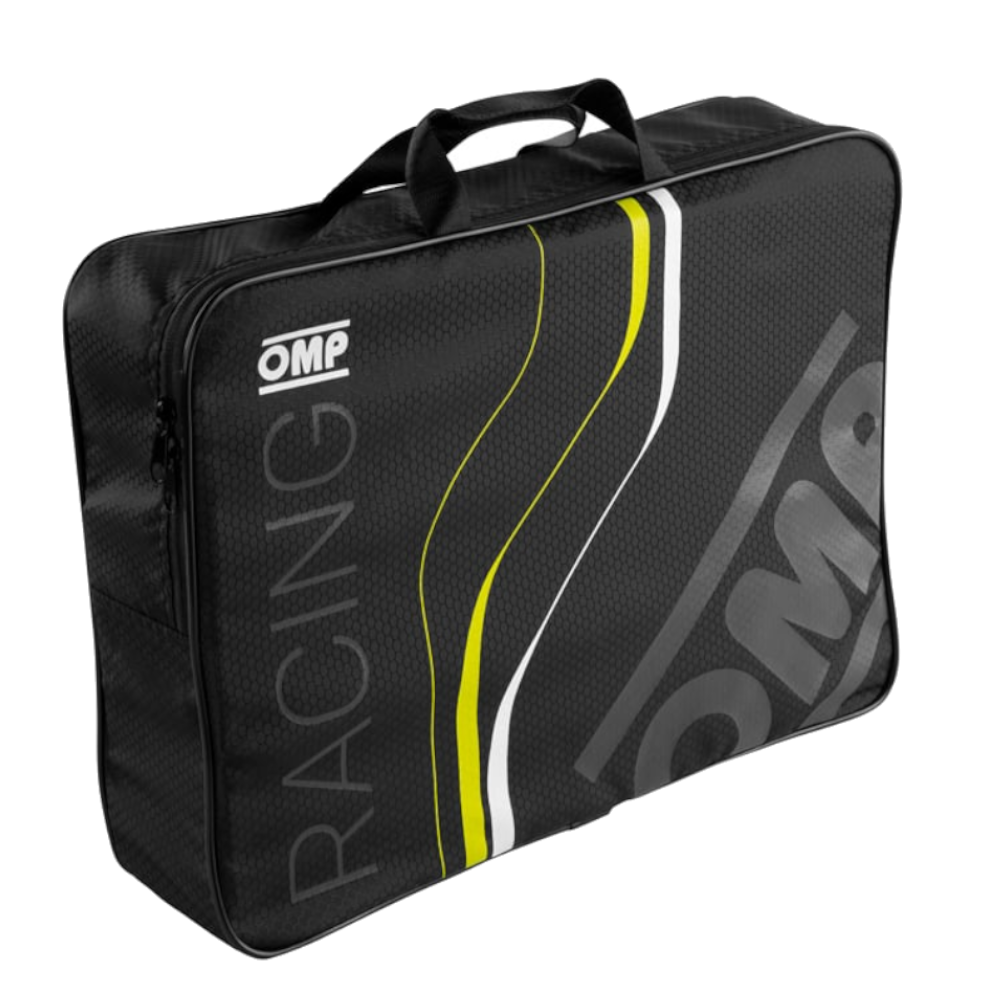
A suit bag is about a tenner and does the job properly.
While it is clean, look at it properly
A clean dry suit is the only time you can actually see its condition, so this is the two minutes that makes the whole job worth doing. Go along the seams, into the cuffs and collar, and over every closure.
What you are looking for is open or pulled stitching, fabric that has gone thin or shiny at the elbows and seat, holes, failed elastic in the cuffs, and a homologation label that has become unreadable. That last one matters more than it sounds, because a scrutineer needs to read it.
Clean is not the same as sound. If the construction has failed, washing it has not fixed anything, and the maker is the one to ask about a repair.
-
From £26.40 Incl. VATFrom £22.00 Excl. VATPayPal CreditTry in-storeSelect options This product has multiple variants. The options may be chosen on the product page
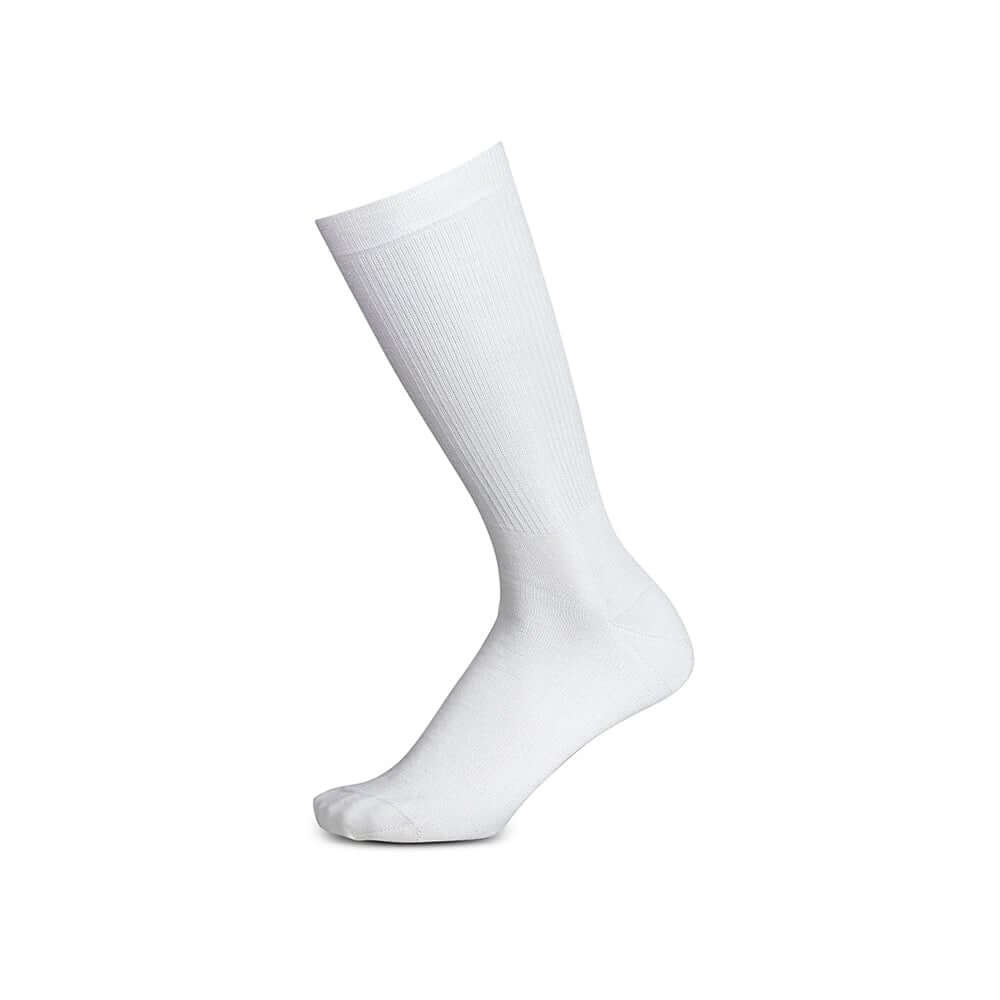
-
From £25.20 Incl. VATFrom £21.00 Excl. VATPayPal CreditSelect options This product has multiple variants. The options may be chosen on the product page
-
From £37.20 Incl. VATFrom £31.00 Excl. VATPayPal CreditTry in-storeSelect options This product has multiple variants. The options may be chosen on the product page
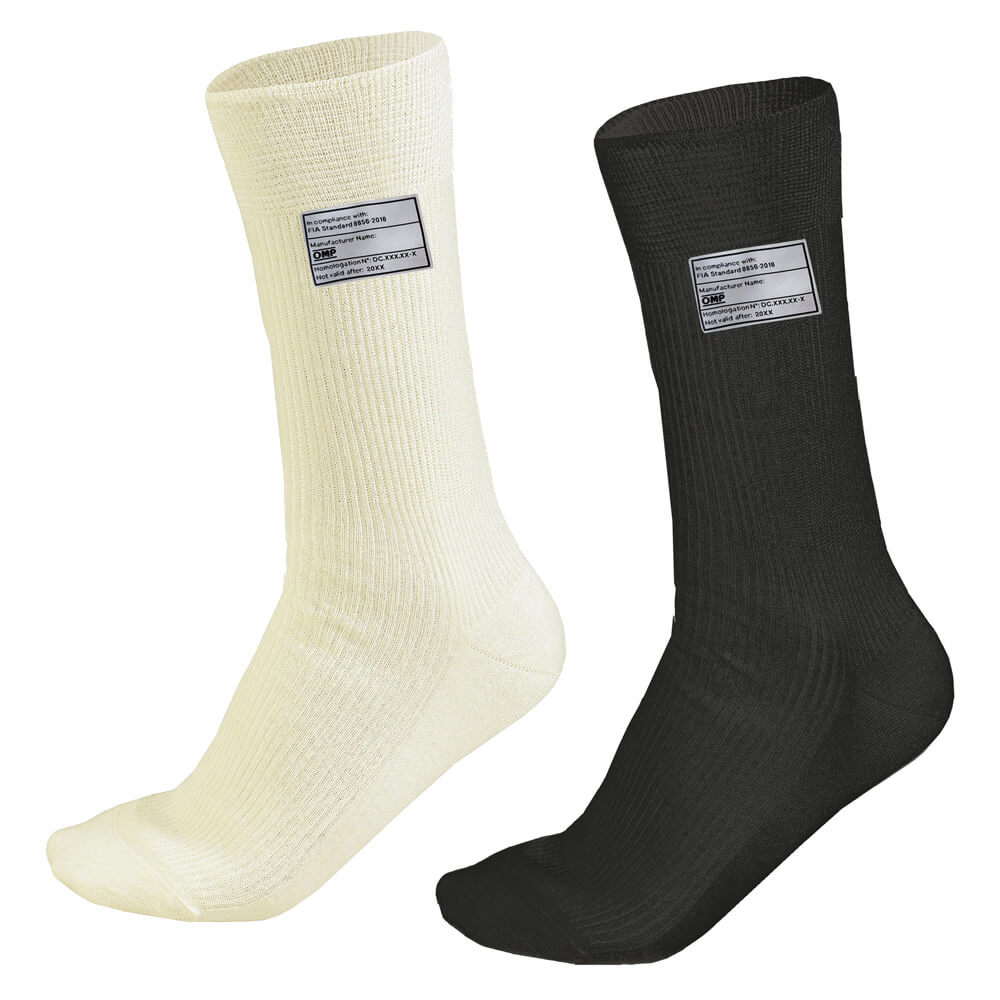
-
From £75.60 Incl. VATFrom £63.00 Excl. VATPayPal Credit0% pay-in-3Try in-storeSelect options This product has multiple variants. The options may be chosen on the product page
-
From £68.40 Incl. VATFrom £57.00 Excl. VATPayPal Credit0% pay-in-3Try in-storeSelect options This product has multiple variants. The options may be chosen on the product page
-
From £73.20 Incl. VATFrom £61.00 Excl. VATPayPal Credit0% pay-in-3Try in-storeSelect options This product has multiple variants. The options may be chosen on the product page
We do not sell a racewear detergent and we are not going to invent a reason for you to buy one, because a mild ordinary detergent with no softener is what the labels ask for. The suit bag at GBP 10.80 is the buy that genuinely saves a suit. Garreth is blunter about it: most suits we see written off were killed by a damp kit bag, not by a washing machine.
Questions we get about washing racewear
Does washing a race suit reduce its fire resistance?
Not by itself. Nomex and the aramid fibres are inherently fire resistant, so the protection is in the fibre and does not wash out. What does harm it is bleach, solvents, fabric softener and high heat. Wash it properly and a clean suit is exactly as protective as a dirty one, and a good deal nicer to wear.
What temperature should I wash it at?
Whatever your label says. We deliberately do not print a single figure here because makers differ and the number on your garment is the one that applies to it. If the label is unreadable, send us a photograph with the brand and model and we will find the right instruction for you.
Can I dry-clean an FIA suit?
Only if the label allows it, and then show the cleaner the garment instructions instead of assuming they have handled Nomex before. If the label does not allow it, do not look for a cleaner who says they can. It is not worth the suit.
Can I use fabric softener?
No, and this is the one people get wrong most. Softener leaves a coating on the fibre that traps the oil and sweat you just washed out, so the garment ends up dirtier and less breathable over time. Mild detergent, no softener.
I have spilled fuel on my suit. What now?
Do not attack it with a stain remover. Contamination is a manufacturer question, because they know what their material tolerates and whether the garment is still sound. Send us a photograph and the details and we will help you take it up with them.
How do I store it between events?
Clean, completely dry, on a hanger, in a bag, away from damp, sunlight, exhaust heat and chemicals. Never rolled up damp in a closed bag, which is how most of the suits we see ruined got that way.
If the label is unclear, send us a photograph
Send a clear photograph of the care label with the brand and model, and we will tell you what it is asking for. Symbols on racewear labels are not always obvious and there is no shame in checking.
Ring 0115 9893488 or bring it to the showroom. If it is damage or contamination rather than a cleaning question, Cameron will tell you honestly whether it is worth pursuing a repair before you spend anything.
A suit that has been washed badly, or is coming up to its date, is worth a second opinion before a scrutineer gives you one. Garreth and Cameron will tell you honestly whether it will pass another season or whether you are better off replacing it.